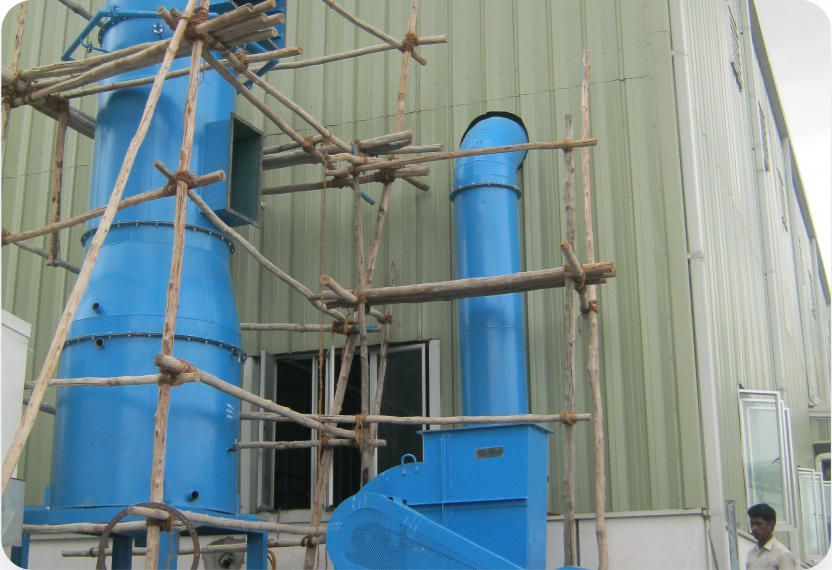
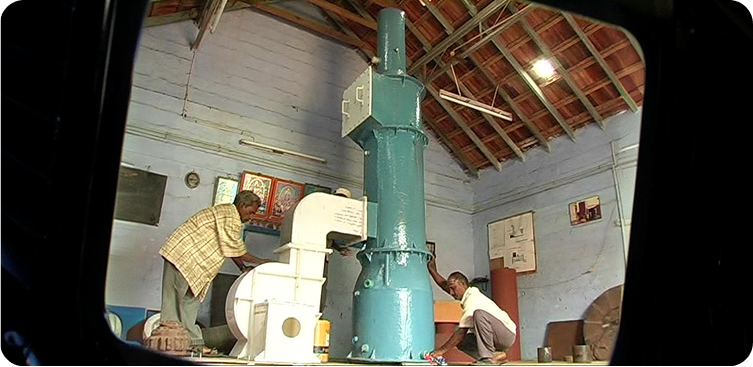
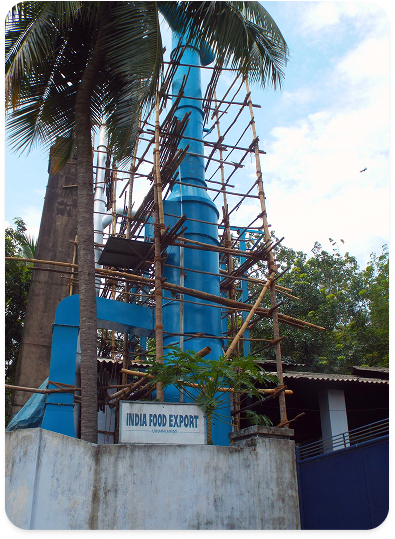
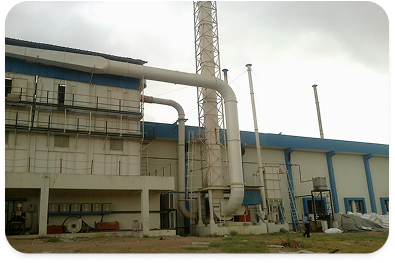
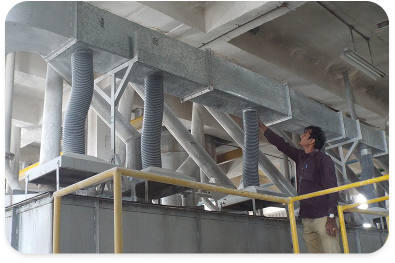
A wet scrubber is an advanced air pollution control device used to remove harmful gases, fumes, and dust particles from industrial exhaust streams. It works by spraying a liquid-usually water or a chemical solution-into polluted air, capturing contaminants through absorption and filtration.
Widely used across industries such as food processing units, chemical industries, and air pollution control systems, wet scrubbers effectively remove pollutants and control odors. They are highly efficient in capturing harmful gases like chlorine, carbon dioxide, hydrocarbons, carbon monoxide, oxides of nitrogen, and fine particulate matter. By improving air quality and ensuring compliance with environmental regulations, they play a vital role in industrial safety.
With their high efficiency, reliability, and adaptability, wet scrubbers are an essential solution for sustainable and eco-friendly industrial operations.
Advantages of Installing Deepam Wet Scrubber
Ensures strict pollution control compliance – avoids legal issues, penalties, and shutdown risks
Protects brand reputation – shows commitment to environmental responsibility and sustainability
Removes hazardous gases & fine particles effectively – critical for worker and community safety
Handles large-volume, high-temperature emissions with consistent performance
Prevents environmental damage – reduces air toxicity and long-term ecological impact
Improves workplace safety – minimizes exposure to harmful fumes and dust
Supports continuous plant operation – stable and reliable pollution control system
Future-ready solution – meets evolving government and global emission standards
Cost-effective in the long run – avoids fines, health risks, and operational losses
Industry Applications
Heavy & Core Industries
1Heavy & Core Industries
2Steel Industry
3Cement Industry
4Mining Industry
5Sponge Iron Industry
6Aluminum Industry
7Copper Industry
8Zinc Industry
9Cement Industry
10Casting Industry
11Forging Industry
12Steel Rolling Mills
Chemical & Process Industries
13Chemical Industry
14Petrochemical Industry
15Fertilizer Industry
16Agrochemical Industry
17Pesticide Industry
18Paint Industry
19Dye Industry
20Soap & Detergent
21Cosmetics Industry
22Pharmaceutical Industry
Manufacturing & Engineering
23Manufacturing Industry
24Automotive Industry
25Metal Finishing
26Electroplating Industry
27Galvanizing Industry
28Heat Treatment
29Boiler Industry
30HVAC Industry
31LPG Bottling
32Gas Processing
Textile & Consumer Industries
33Textile Industry
34Garment Industry
35Yarn Processing
36Spinning Mills
37Weaving Mills
38Textile Dyeing
39Footwear Industry
40Leather Industry
Environmental & Utility Industries
41Chemical Industry
42Waste Management
43Recycling Industry
44Water Treatment
45Effluent Treatment
46Desalination Plants
47Incineration Plants
48Hazardous Waste Treatment
49Power Plants
50Oil Refineries
Types of Wet Scrubber
Venturi Scrubber
WORKING
Uses high-velocity gas and liquid mixing in a
throat section to capture fine sub-micron
particles.
BEST FOR
Heavy Particulate Matter
Packed Bed Scrubber
WORKING
Uses a column filled with packing material to
provide a large surface area for gas-liquid
contact.
BEST FOR
Heavy Particulate Matter
Cyclonic Scrubber
WORKING
Combines centrifugal force with liquid spray
to separate dust and droplets from the gas
stream.
BEST FOR
Medium Particulates
Ejector Venturi
WORKING
Uses high-pressure liquid to create suction,
pulling gas through the scrubber without
fans.
BEST FOR
Highly Corrosive Gasest
Operational Norms for Wet Scrubbers
pH Control:
Maintained between 6.5 – 9.0 (or as required)
Liquid-to-Gas Ratio (L/G):
Proper ratio ensures effective absorption
Pressure Drop:
Indicates system efficiency
Continuous Operation:
Must run whenever plant is operating
Key Parameters for Wet Scrubber Compliance
1Particulate Matter (PM)
Limit: ≤ 50 mg/Nm³ (varies by industry)
Indicates dust and solid particles in emissions
2Sulphur Dioxide (SO₂)
Controlled through alkaline scrubbing
Limits vary depending on industry and fuel
3Hydrogen Chloride (HCl)
Typical limit: ≤ 35 mg/Nm³
Common in chemical and incineration industries
4Ammonia (NH₃)
Limit: ≤ 50 mg/Nm³ (approx.)
Found in fertilizer and chemical plants
5Chlorine (Cl₂)
Very strict limits due to toxicity
Usually maintained at very low ppm levels
6Stack Emission Opacity
Should be minimal (no visible smoke)
Wet Scrubber Pollution Norms
Regulated by Central Pollution Control Board (CPCB) & SPCB
Controls air emissions after scrubbing
Key Limits
Particulate Matter (PM): ≤ 50 mg/Nm³
HCl: ≤ 35 mg/Nm³
Ammonia (NH₃): ≤ 50 mg/Nm³
SO₂ & Cl₂: As per industry standards
Opacity: No visible smoke
Operational Requirements
Maintain pH: 6.5 – 9.0
Proper Liquid-to-Gas Ratio (L/G)
Monitor pressure drop
Continuous operation with plant
Compliance
CEMS monitoring (for major industries)
Regular PCB inspection
Maintain records & logs
Treat scrubber wastewater
Purpose
Reduce toxic gases & dust
Ensure legal compliance
Protect environment & health
Compliance Requirements
Installation of online monitoring systems (CEMS) in major industries
Regular inspection by Pollution Control Boards
Maintenance of logbooks and performance data
Proper disposal or recycling of scrubber sludge
Types of Wet Scrubber Pollution Norms
Emission Norms
The Central Pollution Control Board sets limits for pollutants released into the air, including PM, SO₂, HCl, NH₃, and Cl₂.
Process / Operational Norms
Ensure the scrubber system functions properly by controlling pH, maintaining the liquid-to-gas ratio, monitoring pressure drop, and ensuring continuous operation.
Effluent (Wastewater) Norms
Treat scrubber liquid discharge to meet pH, BOD, COD, and TSS limits, with no untreated discharge permitted.
Stack Monitoring
Install monitoring systems like CEMS, conduct regular emission checks, and keep detailed records and reports.
Safety Standards
Handle chemicals safely, dispose of sludge properly, and prevent leaks or harmful exposure.
Wet Scrubber Flow
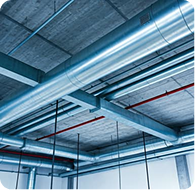
Pipeline System
Ducting (Round / Square)
Dampers (L-Type / T-Type)
Pollution Control Equipment
Stack (Chimney)
Clean Air Discharge
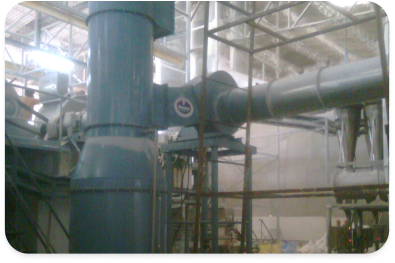
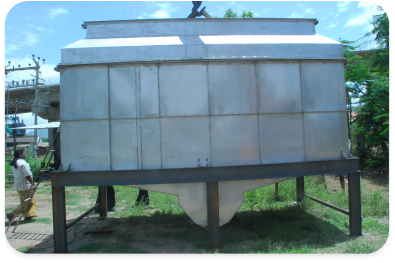
Our Installations
Partner with Deepam for Reliable Pollution Control Solutions
Get expert consultation and comprehensive solutions for your industrial needs