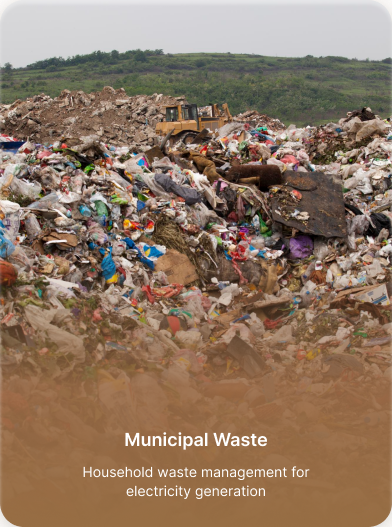
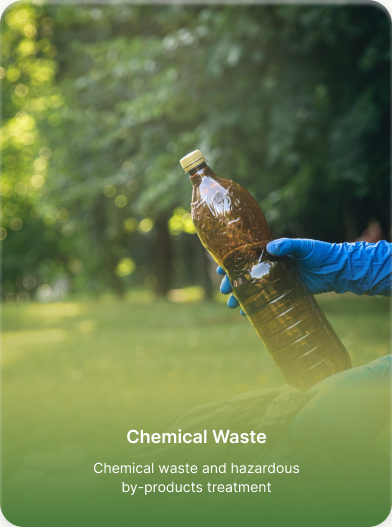

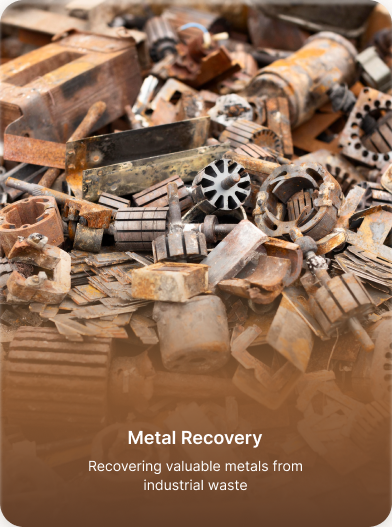


Leading Pollution Control Solutions Since 1981 Sustainable and trusted solutions supporting environmental compliance for over 40 years.

Technology Overview

What Is an Incinerator?

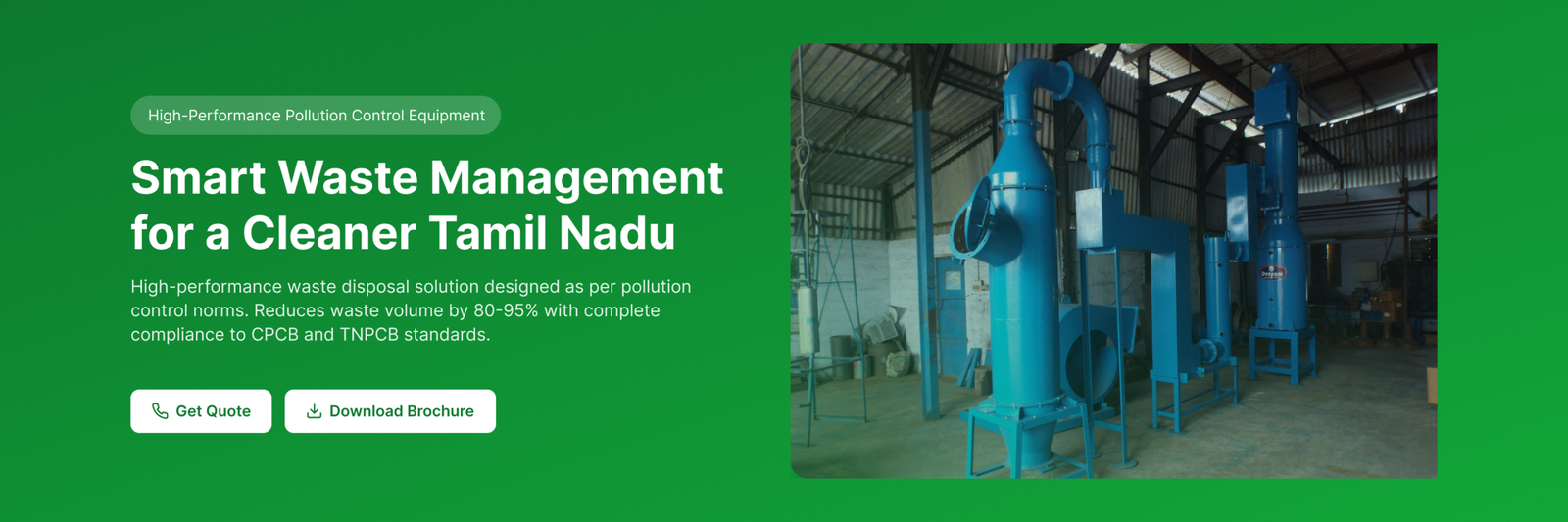
An incinerator is a specialized furnace designed for the controlled, high-temperature combustion of waste materials. It reduces waste volume by 80–95%, converting waste into ash, flue gas, and heat.

Incinerators are widely used for the hygienic disposal of municipal, industrial, and medical waste, and modern systems can also generate energy from waste (waste-to-energy technology).

80-95%

Waste Volume Reduction

Our Product Models

Choose the right configuration for your requirements

Basic Model

Essential efficiency for small-scale needs.

RECOMMENDED

Premium Model

Full automation & ultra-low emission.

Standard Model

Balanced performance for medium units.

Additional Product Range

Specialized solutions for unique requirements

Mobile Incinerator

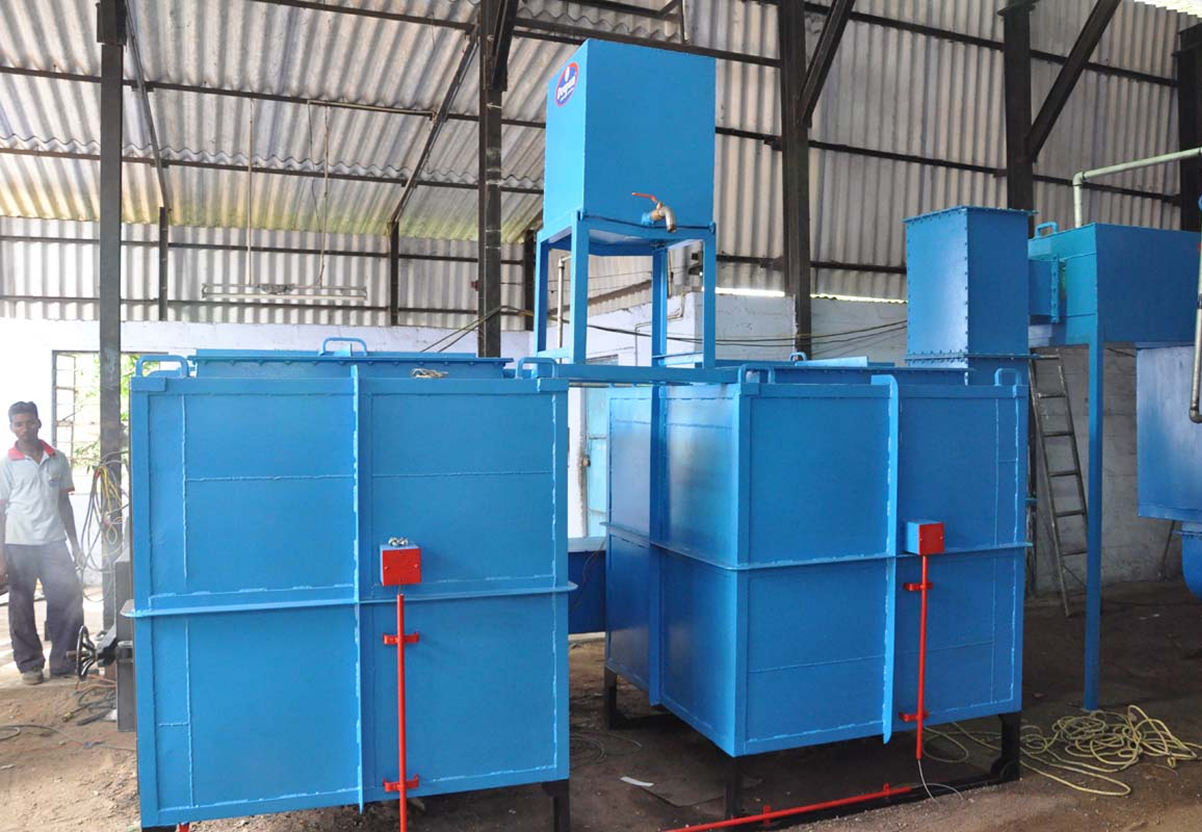
Portable and compact design with easy transportation. Suitable for on-site waste disposal as per pollution norms.

Mobile Incinerator

Waste destroyer systems available in multiple configurations for various capacity requiremnents.

Fuel-less Incinerator

Energy-efficient waste treatment system with minimal fuel consumption for specific applications.

Why Choose an Incinerator?

Transform waste management challenges into controlled solutions

Without Incinerator

With Incinerator

Why Choose an Incinerator?

Transform waste management challenges into controlled solutions

STEP 1

Waste Generation

STEP 2

Storage

STEP 3

Feeding System

STEP 4

Primary Chamber

STEP 5

Secondary Chamber

STEP 6

Cooling
System

STEP 7

Wet
Scrubber

STEP 8

Stack
Emission

Industry Applications

Trusted waste management across multiple sectors

Mobile Incinerator

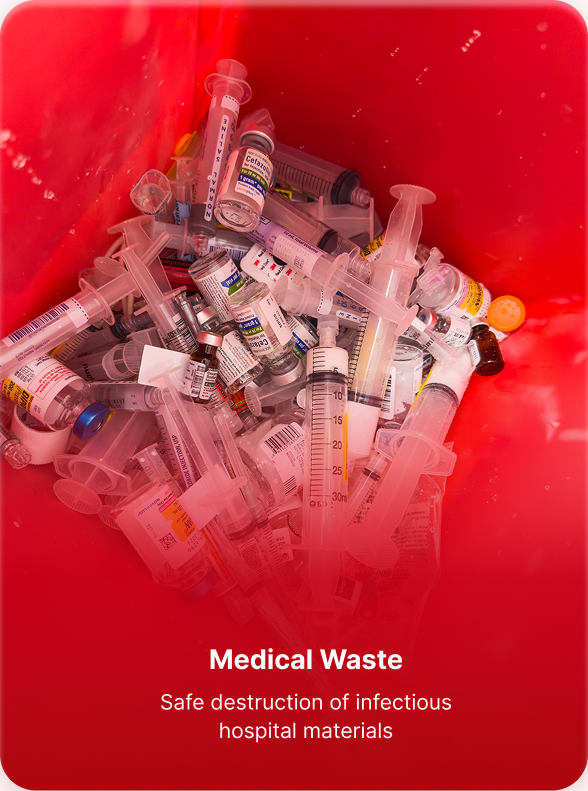
Bio-hazardous waste destruction

Industrial Plants

Chemical & hazardous waste treatment

Laboratories

Contaminated materials disposal

Municipal Plants

Urban waste management

Agriculture Sector

Farm waste & animal carcasses

Pharmaceutical

Expired medicines & chemical residues

Airports & Seaports

International catering waste

Defence Facilities

Confidential materials destruction

Oil & Gas Industry

Sludge & oily waste disposal

Universities

Research laboratory waste

Veterinary Hospitals

Animal medical waste

Food Processing

Organic waste disposal

How to Select the Right Incinerator

Key factors to consider for optimal waste management

Type of Waste

Municipal, medical, or industrial waste requirements

Waste Quantity

Daily volume and future projections

Fuel Type

Based on waste characteristics and availability

Running Cost

Operating hours and maintenance materials

Pollution Norms

Local CPCB/TNPCB compliance requirements

Operating Method

Easy operation by single operator

Maintenance

Minimal downtime and easy servicing

Material Quality

High-quality materials for longer life

Feeding System

Manual, semi-automatic, or fully automatic
Tips to Check Incinerator Quality

Key factors to consider for optimal waste management

01

Compliance Check

Verify CPCB & TNPCB certifications and emission standards

02

Manufacturer Experience

Choose suppliers with proven installations and reputation

03

Technical Design

Ensure proper chamber design and pollution control systems

04

Pollution Equipment

Check for scrubbers, filters, and monitoring devices

05

Material Quality

High-quality refractory lining and heat-resistant materials

06

Safety Features

Temperature monitoring, emergency shutdown systems

07

After-Sales Support

Installation, training, spare parts, and service

08

Documentation

Warranty, technical manuals, and compliance certificates

Frequently Asked Questions

Everything you need to know about incinerators

What is an incinerator?

An incinerator is a machine that burns waste at very high temperatures and converts it into ash, heat, and gases, reducing the waste volume significantly.

Incinerators are used to safely dispose of medical, industrial, and hazardous waste, reduce landfill waste, and prevent the spread of diseases.

Incinerators can burn medical waste, industrial waste, municipal waste, animal carcasses, and certain hazardous materials.

Incinerators can reduce waste volume by 80–90%, leaving only a small amount of ash.

Yes, modern incinerators use pollution control systems like scrubbers and filters to control emissions and meet environmental regulations.

Incinerator operations are regulated by the Central Pollution Control Board (CPCB) and State Pollution Control Boards such as the Tamil Nadu Pollution Control Board (TNPCB).

They are used in hospitals, industries, laboratories, municipal waste facilities, farms, and research centers.

After burning, the waste turns into ash and gases. The ash is safely stored or disposed of according to environmental rules.

Yes, some modern incinerators convert heat from waste burning into electricity or steam, known as waste-to-energy technology.

The right incinerator depends on type of waste, waste quantity, pollution norms, fuel type, and required capacity.

Get the Right Incinerator for Your Application

45+ years of experience in pollution control equipment. Let our experts help you choose the perfect solution for your waste management needs.